Test Valley Church Trail: From Longparish to Goodworth Clatford
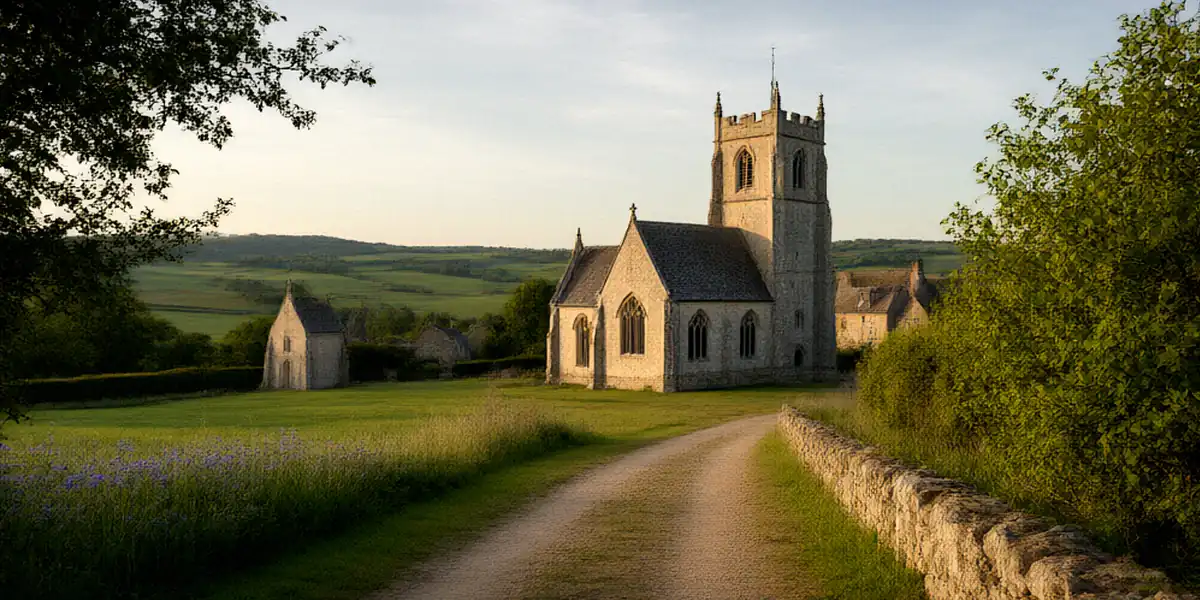
We still remember the first time we stumbled upon St Nicholas Church in Longparish. We had taken a wrong turn off the Test Way, the light was fading, and then the flint tower rose out of the valley haze like something from a lost centuries-old painting. That unplanned detour sparked an obsession with Hampshire’s hidden ecclesiastical gems that has kept us busy every weekend since. This trail — from Longparish through Wherwell to Goodworth Clatford — is the one we recommend to anyone who asks where to start.
Why the Test Valley Is a Hidden Gem for Church Crawlers
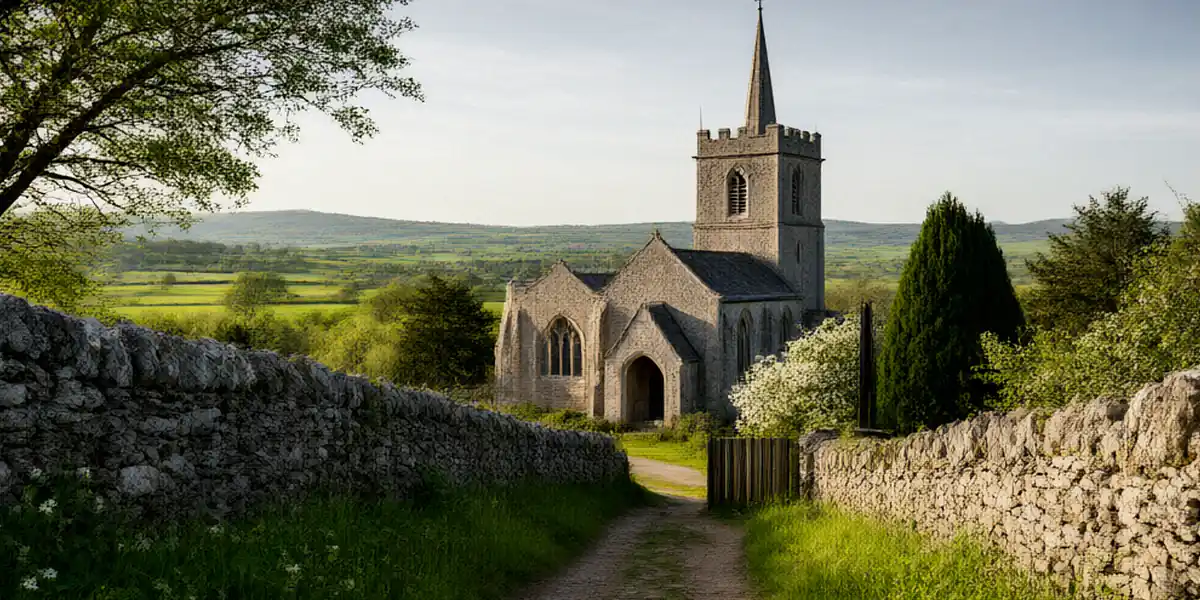
This stretch of Hampshire rewards slow travel in a way that few other regions do. Within roughly five miles you can visit three medieval churches, each with its own distinct character, and barely encounter another visitor. Compare that with the Cotswolds, where a single village church can attract coach parties on a summer Saturday. The Test Valley remains quiet, local and genuinely rewarding for anyone willing to leave the car and walk.
The River Test and Its Chalk Stream Landscape
The River Test is one of England’s finest chalk streams — crystal clear, weed-fringed and famous among fly fishermen worldwide. The villages along our route sit close to its banks, and the landscape of water meadows and thatched cottages is part of what makes church crawling here so pleasurable. You are never more than a few minutes from the sound of running water.
How to Reach the Trail: Train to Whitchurch or Andover
Both Whitchurch and Andover stations sit on the South Western Railway line from London Waterloo, making this trail genuinely car-free if you prefer. From either station you can pick up the Test Way long-distance path and walk between villages. If you are driving, the A303 provides easy access, with minor lanes linking Longparish, Wherwell and Goodworth Clatford.
Longparish: St Nicholas Church and Its Medieval Wall Paintings
St Nicholas Church, Longparish, is the anchor of this trail. Its 13th-century origins are visible in the chancel arch and the general proportions of the nave, while the flint tower — the one that caught our eye on that first visit — was added later in the medieval period. The village itself has an unexpected literary connection: the Reverend Charles Dodgson, father of Lewis Carroll, served as rector here, and the young author-to-be spent part of his childhood in the parish.
Uncovering the 14th-Century Wall Paintings
What makes St Nicholas truly special is what was hiding beneath layers of whitewash. During 19th-century restoration work, workers uncovered rare medieval wall paintings — including a depiction of the Seven Deadly Sins and fragments of a Doom scene — that had been painted over during the Reformation. Seeing them in situ, faded but unmistakable, is a reminder of how much colour these churches once held.
The St Nicholas Stained Glass Window
The church’s east window depicts St Nicholas himself, patron saint of sailors and children, and is one of the finest examples of Victorian stained glass in the Test Valley. The blues and golds catch the afternoon light beautifully, and we would recommend visiting after 2pm if photography is your aim.
Wherwell Abbey and the Romantic Piano Connection
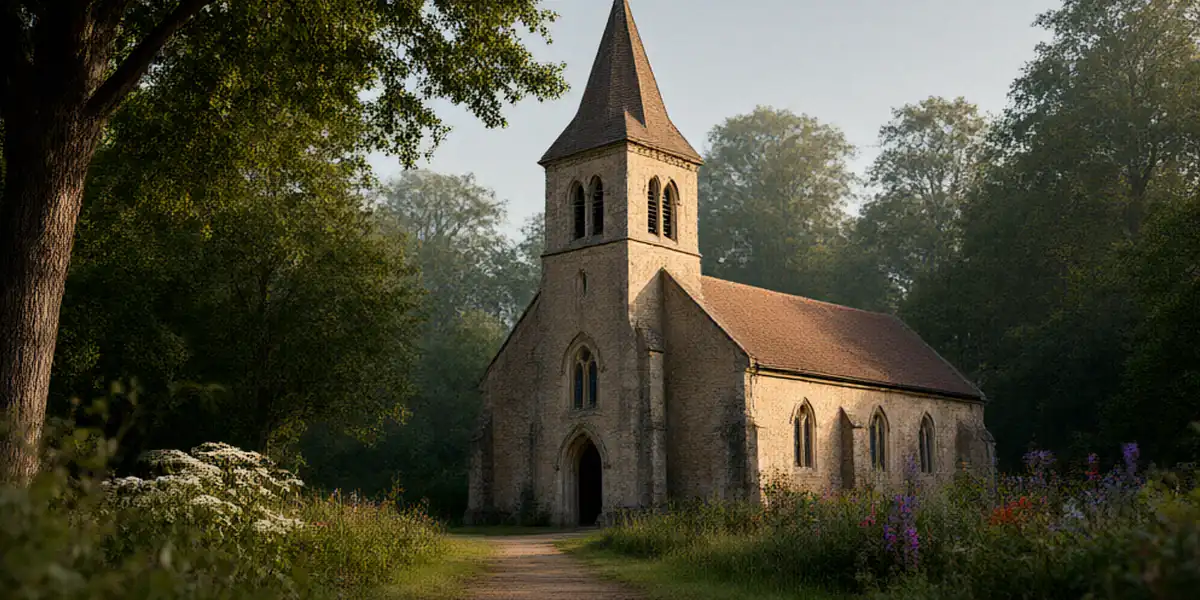
St Peter and Holy Cross Church in Wherwell stands on the site of a Benedictine nunnery founded in the 10th century. The abbey was dissolved in 1539, and much of it was pulled down, but fragments remain — and the church itself incorporates stonework from the original monastic buildings. It is a place that feels genuinely ancient, and it is here that our two great interests, Hampshire churches and Romantic classical music, collide.
The Norman Doorway and Abbey Ruins
The Norman doorway on the south side of the church is the standout architectural feature, with its carved chevron moulding and weathered capitals. Nearby, low walls and earthworks mark the footprint of the former abbey, and the atmosphere on a quiet weekday morning is hard to beat. Bring a torch if you want to examine the stonework closely.
Saint-Saëns Piano Concertos in a Village Church Setting
We have long been devotees of Camille Saint-Saëns’s piano concertos, and the Second in G minor — with its dramatic solo piano opening — feels tailor-made for a space like this. Local recitals occasionally take place in Test Valley churches, and when we hear the opening bars of the Piano Concerto No. 2 echoing off Norman stone, the effect is extraordinary. The Fifth Concerto, with its exotic colours and North African influences, is our other favourite for these drives.
Goodworth Clatford: St Peter’s Church and Stained Glass Treasures
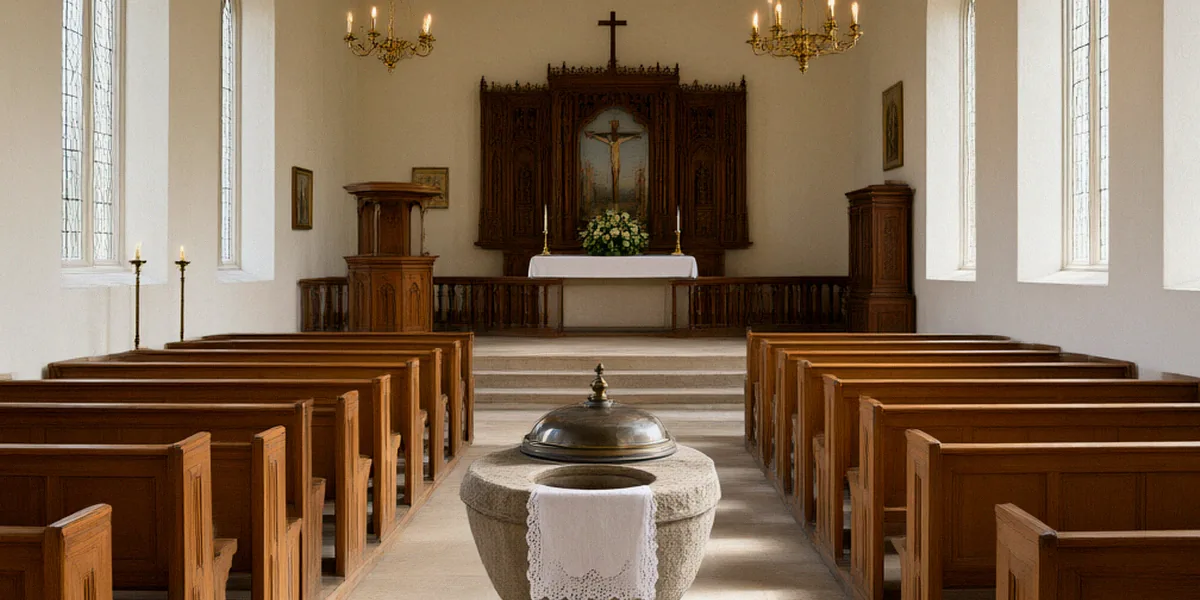
The final stop on our trail is St Peter’s Church in Goodworth Clatford, a village that feels almost untouched by the modern world. The nave dates from the 12th century, the tower was added in the 15th, and the whole building sits on a gentle rise overlooking the River Test. It is the kind of church where you instinctively lower your voice.
Clayton and Bell Stained Glass
The Victorian stained glass here is by Clayton and Bell, one of the most prolific and respected workshops of the 19th century. Their windows in St Peter’s depict scenes from the life of Christ, rendered in rich reds and deep blues. If you have visited churches in Cambridge or Oxford, you have almost certainly seen Clayton and Bell work before — but here it feels more intimate, less visited.
The Churchyard and River Test Views
The churchyard is peaceful and well-tended, with several ancient yew trees and views across the water meadows towards the Test. We often end our walks here, sitting on the low churchyard wall with a flask of tea, listening to Saint-Saëns on headphones while the river runs quietly below.
Practical Tips for Your Own Test Valley Church Trail
We have walked this route many times now, in every season, and we have learned a few things worth passing on.
Opening Times and Accessibility
- Most churches on this route are open daily during daylight hours, maintained under the care of the Hampshire Churches Trust.
- St Nicholas Church, Longparish, is generally open from 9am to dusk.
- St Peter and Holy Cross, Wherwell, is usually open daily, though occasionally closed for private events.
- St Peter’s, Goodworth Clatford, is open daily; step-free access is available via the south porch.
Where to Eat and Drink Along the Route
The Plough Inn in Longparish serves excellent pub food and is a five-minute walk from St Nicholas Church — we recommend the Sunday roast. In Goodworth Clatford, The Royal Oak is a friendly village pub with a good selection of local ales, ideal for the end of the walk. Both get busy at weekends, so booking ahead is wise.
For the drive between villages, we suggest a playlist built around Saint-Saëns’s piano concertos — the Second and Fifth in particular. There is something about the combination of chalk-stream landscape and French Romantic piano music that makes the whole day feel coherent.
Frequently Asked Questions
Are these Hampshire churches free to visit?
Yes. All three churches on this trail are free to enter, though donations towards upkeep are always welcome. The Hampshire Churches Trust helps coordinate maintenance across the county.
How long does the full trail take on foot?
The walk from Longparish to Goodworth Clatford via Wherwell is roughly seven miles and takes around three hours at a relaxed pace, allowing time to explore each church.
Which Saint-Saëns piano concerto should I listen to first?
Start with Piano Concerto No. 2 in G minor. Its dramatic opening and lyrical slow movement make it the most immediately accessible introduction to Saint-Saëns’s Romantic style.
Is there parking at each church?
Longparish and Goodworth Clatford both have limited roadside parking near the churches. Wherwell has a small car park by the village hall, a short walk from the church.
When is the best time of year to visit?
Late spring and early autumn offer the best combination of good light, open churches and manageable weather. Winter visits are atmospheric but check opening times in advance.
We hope this trail inspires you to slow down, switch off the satnav, and let the Test Valley reveal its churches at walking pace. Put on Saint-Saëns’s Piano Concerto No. 2 as you set out along the Test Way, and consider making a donation to the Hampshire Churches Trust at your final stop — these buildings have survived for centuries, and it is the small contributions of visitors like us that keep them standing.


Post Comment