Saxon Churches of the Test Valley: Hampshire’s Hidden Architectural Treasures
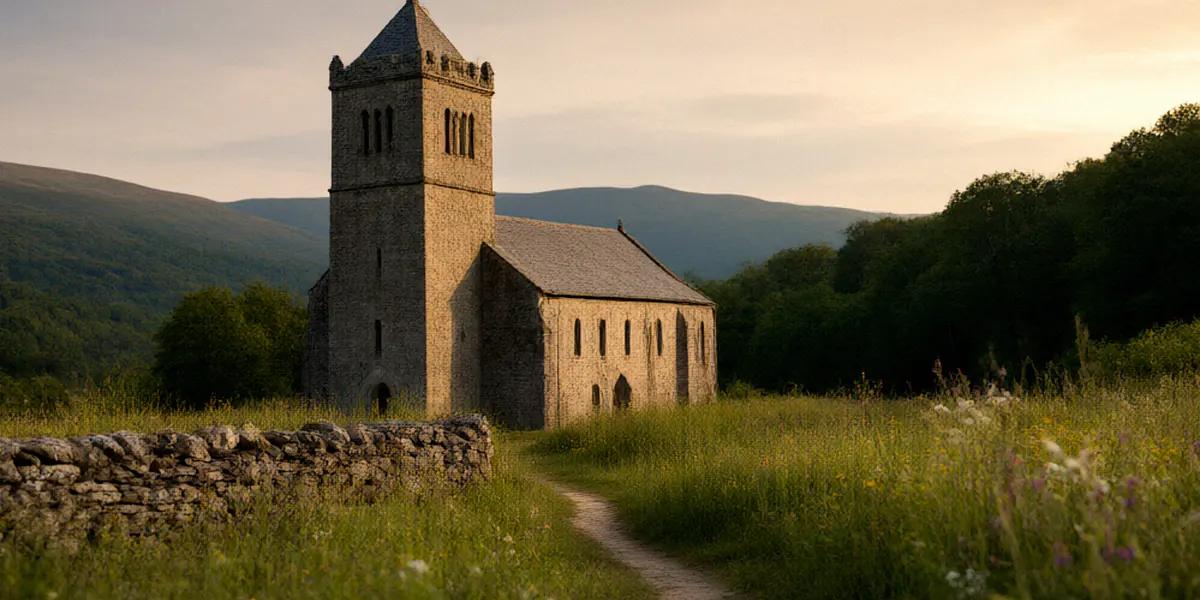
Stand before the weathered stone tower of a small parish church in a quiet Test Valley village, and you may be looking at masonry laid almost a thousand years ago. The flint and limestone walls carry the fingerprints of Saxon masons, the doorways still bear their triangular heads, and the windows are narrow slits designed for a world before glass. We think these buildings are among the most underrated historic sites in Hampshire, and this guide is our attempt to help you read them, visit them, and appreciate them properly.
Why the Test Valley Is a Saxon Treasure Trove
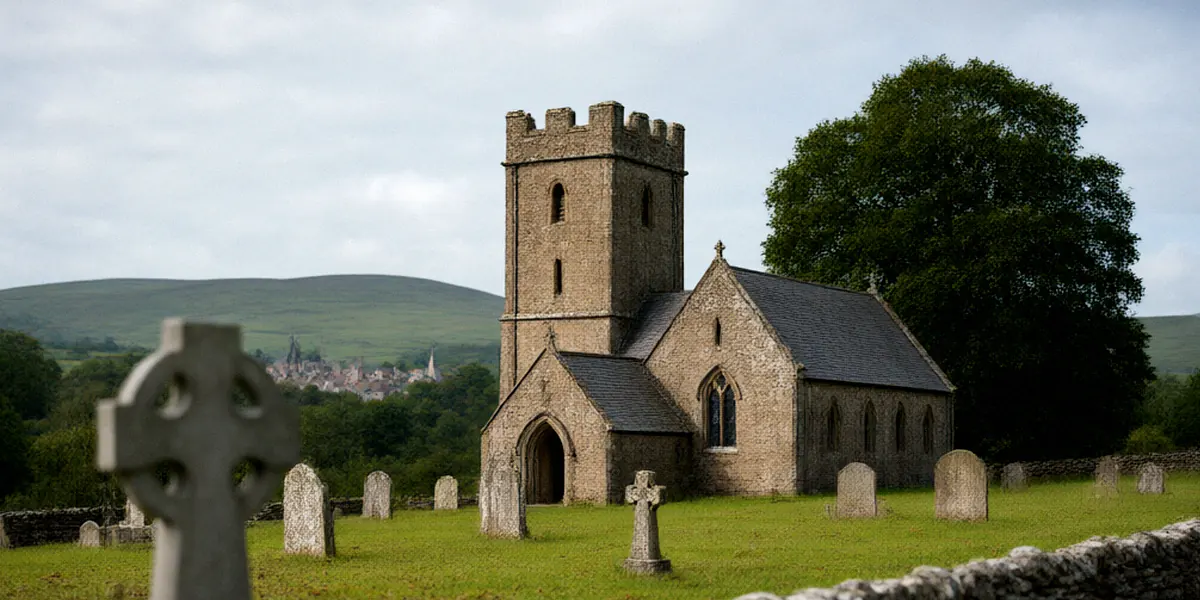
The Test Valley holds one of the densest concentrations of pre-Conquest church architecture in England. For anyone interested in Hampshire churches, medieval wall paintings or parish church architecture, this corner of the county rewards slow, careful exploration. We want to explain why so much early fabric survives here before we point you towards individual buildings.
The Saxon Kingdom of Wessex and the Test Valley
The Test Valley is part of the ancient kingdom of Wessex, settled by Saxons from the 5th century. As the kingdom expanded and consolidated, the valley became a heartland rather than a frontier. Estate centres, minster churches and royal estates were established along the river, and many of the parishes we know today trace their boundaries back to that period. The result is a landscape layered with early Christian foundations, some of which were later rebuilt in stone during the 10th and 11th centuries as the kingdom grew wealthier and more settled.
Key Saxon Churches to Visit in the Test Valley
We recommend starting with three churches that together show the range of Saxon work in the area. Each has its own character, and each is still an active or cared-for place of worship rather than a sterile monument.
Breamore: The Rood and the Royal Connection
Breamore St Mary’s Church is the star of the valley. It has a rare Saxon rood, an external stone carving of the crucifixion set above the south doorway, and an Anglo-Saxon inscription that runs across the wall of the south porch. The church is a former minster with royal associations, and its tall, narrow proportions and surviving Saxon openings make it a superb introduction to the period. We always recommend allowing time to study the inscription and the rood carefully, as both are easy to walk past without noticing.
Corhampton: A Complete Saxon Survival
Corhampton Church in the Meon Valley is one of the most complete surviving Saxon churches in England. Its small, aisleless nave and chancel, the pilaster strips on the exterior walls, and the surviving sundial over the south doorway all point to a single, coherent Saxon build. We find it particularly rewarding because it has not been heavily enlarged or Gothicised, so the original plan is still legible. For anyone learning to read parish church architecture, Corhampton is the ideal teaching building.
Boarhunt: The Hidden Gem Near Fareham
Boarhunt Church near Fareham retains Saxon herringbone stonework and a sundial, and it is one of the quieter sites on our list. The herringbone coursing in the walls is a distinctive Saxon technique, and the small scale of the building gives a strong sense of what a modest early medieval church felt like. We suggest combining it with a visit to Corhampton if you are touring the Meon Valley, as the two are close enough to see in a single afternoon.
Reading Saxon Saxon Architecture: What to Look For
Once you know the key features, Saxon work becomes surprisingly easy to spot. We have put together a short guide to the diagnostic details, with examples you can find in the Test Valley churches.
Windows, Doorways, and Stonework
Look for the following features when you visit:
- Double-splayed windows: narrow openings that widen on both the inside and outside faces, typical of Saxon work.
- Pilaster strips: flat, vertical bands of stone projecting slightly from the wall, often used to divide the exterior into bays. Corhampton shows these clearly.
- Long-and-short quoins: alternating tall and short stones at the corners of a building, a strong Saxon indicator.
- Triangular-headed openings: doorways and openings with a pointed, triangular head rather than a round arch.
- Herringbone stonework: stones laid in a zigzag pattern, as seen at Boarhunt.
- Sundials: simple scratch dials over doorways, often Saxon in origin, as at Boarhunt and Corhampton.
Later Additions and Medieval Layers
Most Saxon churches were not left alone. Norman masons added fonts, doorways and chancel arches; medieval builders inserted windows and aisles; Victorian restorers rebuilt roofs and towers. We encourage you to look for the seams where one phase meets another, because these layers are part of the story. A Saxon nave with a Norman chancel arch and a Victorian east window is a complete architectural history in miniature.
Medieval Wall Paintings and Stained Glass in Saxon Churches
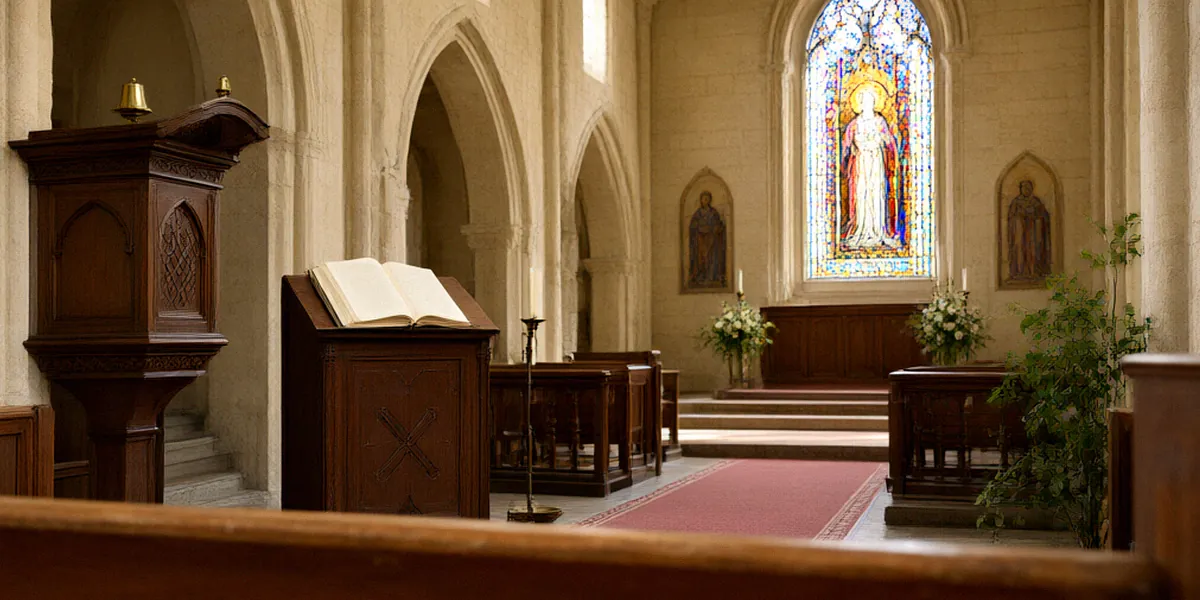
Later medieval wall paintings and stained glass often adorn Saxon churches, and this is one of the joys of visiting them. The early fabric and the later decoration sit together, and each helps explain the other.
Surviving Medieval Wall Paintings
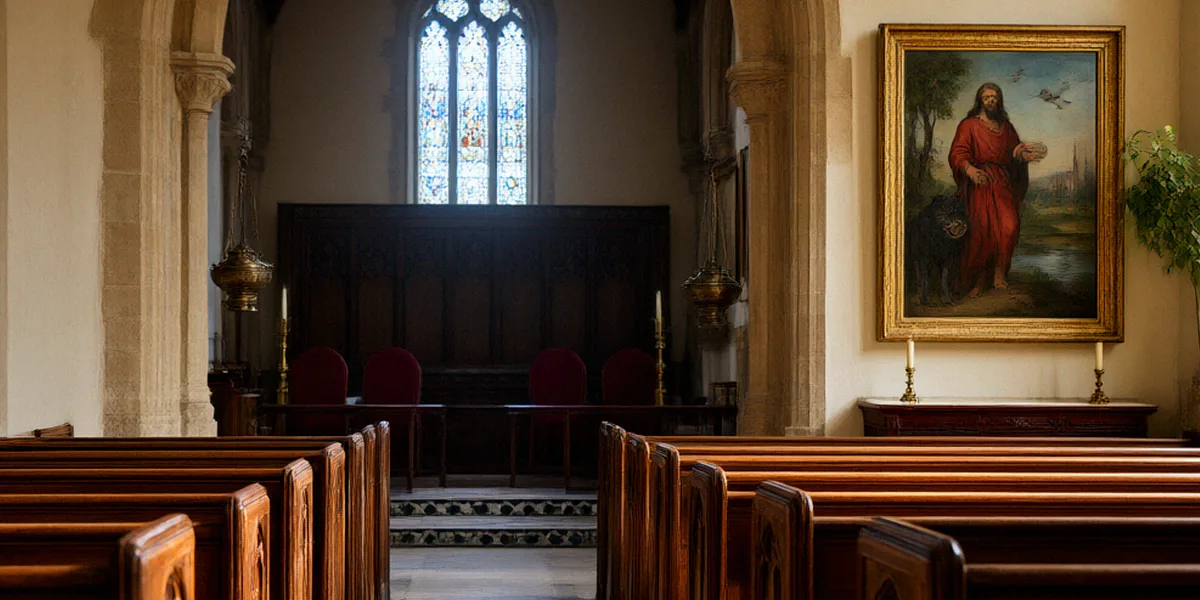
Breamore has a surviving wall painting, and like many medieval schemes it was probably whitewashed over at the Reformation and only rediscovered centuries later. We always look for the faint outlines of figures, consecration crosses and decorative patterns that survive on the plaster. These paintings were originally a visual Bible for a largely illiterate congregation, and seeing them in a Saxon setting brings the medieval church to life.
Stained Glass: From Medieval to Victorian
Corhampton has Victorian stained glass, a reminder that these buildings have been continuously adapted for worship. Medieval glass is rarer in Hampshire’s smaller churches, but fragments often survive in tracery lights and side windows. We recommend carrying binoculars on any church visit, as the best glass is often high up and easy to miss.
Preservation and Visiting Today
We want to give you practical advice so your visit is rewarding and respectful. These are living buildings, and the people who care for them appreciate considerate visitors.
Planning Your Visit
Opening times vary considerably between parishes. Some churches are open daily during daylight hours, while others open only for services or by arrangement. We recommend checking the relevant parish website or the Churches Conservation Trust listings before travelling. The Churches Conservation Trust cares for some Saxon churches in Hampshire, including St Mary’s, Breamore, and its website gives current access details. Accessibility is also worth checking in advance, as many of these churches have uneven floors, narrow doorways and gravel paths.
Conservation Efforts and How to Help
Preservation is a constant effort. We encourage readers to support the work in practical ways:
- Join the Churches Conservation Trust or a local friends group.
- Attend events and services, which keep these buildings in active use.
- Donate at the church door or through parish giving schemes.
- Report any damage or damp you notice to the parish or trust.
These Saxon churches are living places of worship and community hubs, not museums. We ask readers to explore them respectfully, to close doors behind them, and to remember that a quiet village church is also someone’s spiritual home.
Frequently Asked Questions
Which Saxon church in Hampshire is the most complete?
Corhampton Church in the Meon Valley is one of the most complete surviving Saxon churches in England. Its aisleless plan, pilaster strips and sundial make it an excellent example of pre-Conquest architecture.
What is special about Breamore St Mary’s Church?
Breamore St Mary’s Church in Hampshire has a rare Saxon rood and an Anglo-Saxon inscription, both of which are unusual survivals. The Churches Conservation Trust cares for the church, and we recommend checking its website for opening times.
Where can we see Saxon herringbone stonework in Hampshire?
Boarhunt Church near Fareham retains Saxon herringbone stonework and a sundial. It is a quieter site, and we suggest pairing it with a visit to Corhampton for a full day of Saxon architecture.
Are there medieval wall paintings in Test Valley churches?
Yes. Breamore has a surviving medieval wall painting, and faint traces of decoration survive in several other churches. We recommend looking closely at the plaster, especially around doorways and chancel arches.
How can we help preserve these churches?
You can support the Churches Conservation Trust or a local friends group, attend services and events, donate at the door, and report any damage to the parish. These buildings remain in use as places of worship, so respectful visiting is essential.
We hope this guide encourages you to seek out the Saxon churches of the Test Valley and to see them as more than ancient monuments. They are living buildings, still used and still loved, and they offer a direct connection to the medieval and pre-Conquest history of Hampshire.

Post Comment