Churches Conservation Trust Sites Worth Visiting in Hampshire
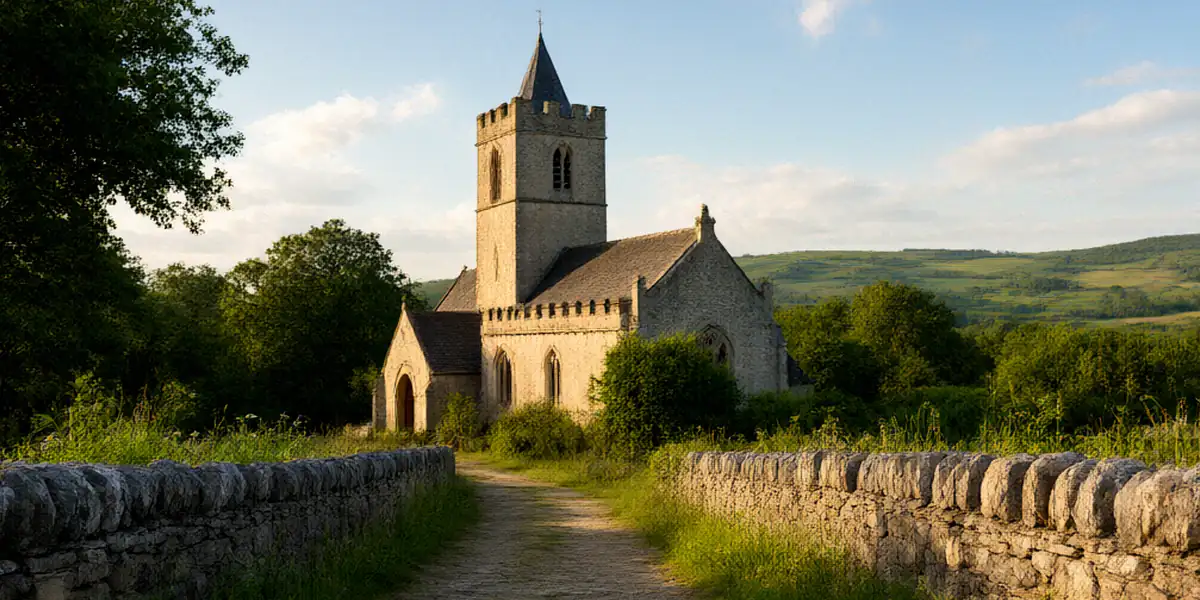
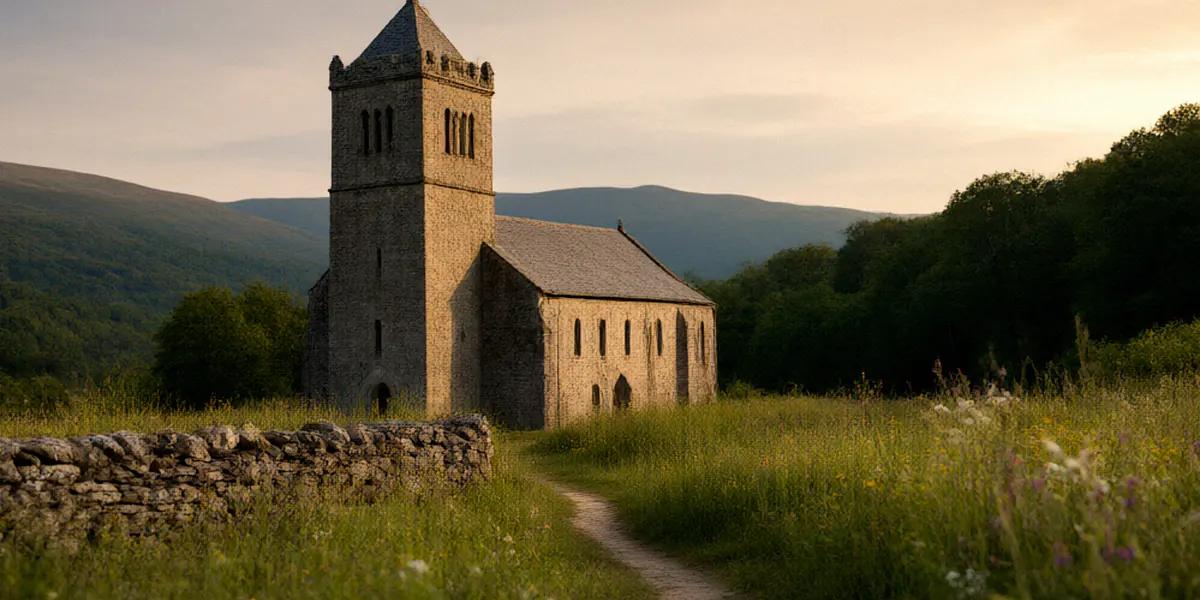
We still remember the first time we found it: a small flint church at the end of a lane near the Test Valley, its door firmly locked, its churchyard waist-high in cow parsley. No service had been held there for decades, yet the building was immaculate — roof sound, glass intact, a noticeboard explaining that the Churches Conservation Trust had stepped in. That discovery sent us down a rabbit hole of redundant churches across Hampshire, and it changed the way we spend our weekends. The Churches Conservation Trust (CCT) looks after over 350 historic churches in England that are no longer used for regular worship, and Hampshire is unusually rich in them. Many are open daily, free to enter, and contain medieval wall paintings and stained glass that would grace any cathedral. This is our guide to the ones worth seeking out.
Why the Churches Conservation Trust Matters for Hampshire
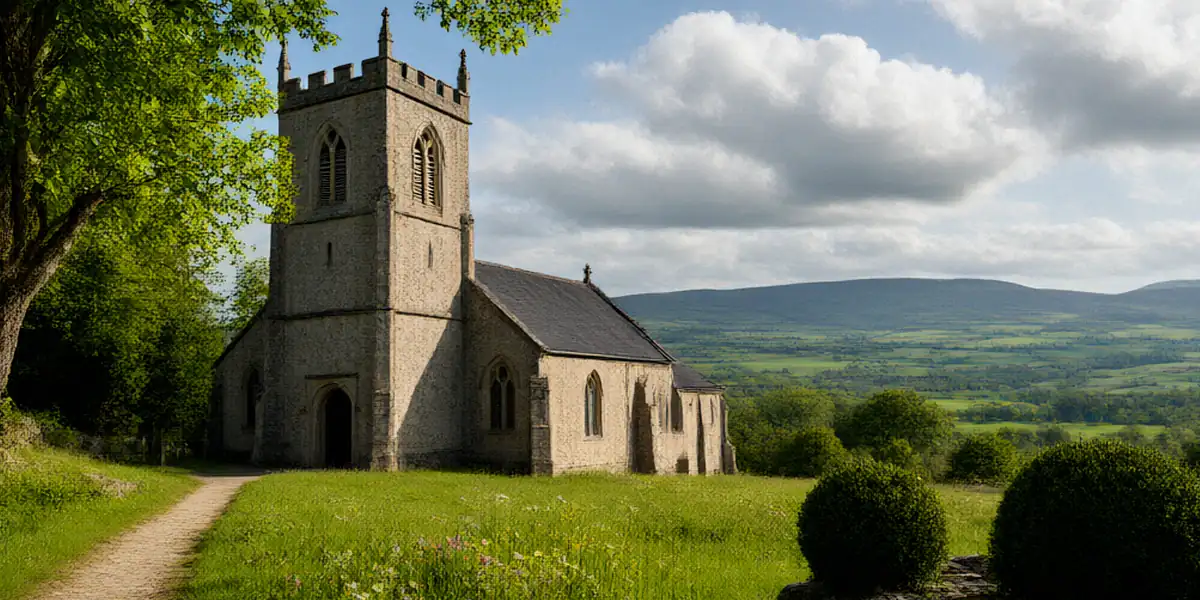
Hampshire has more medieval churches per square mile than most English counties, a legacy of prosperous wool and corn trades and a dense pattern of villages along the Test Valley and the downs. When congregations shrink or parishes merge, these buildings become “redundant” — too important to demolish, too expensive for a small parish to maintain. That is where the CCT comes in.
The CCT’s mission and how it saves churches
The Churches Conservation Trust was founded in 1969 and is now the national charity caring for historic churches at risk. When a church is vested in the Trust, the charity takes on full responsibility for its fabric, opening it to visitors and keeping it alive as a community space. Funding comes from a mix of government support, donations, legacies and events. Crucially, the buildings remain consecrated and are usually still available for occasional services, weddings and burials. For Hampshire, this has meant that churches which might otherwise have been converted into flats or left to decay are still standing, still painted, still glazed.
Hampshire’s unique ecclesiastical architecture
What makes Hampshire special is the survival of early fabric. You will find Anglo-Saxon doorways and nave walls, Norman fonts, thirteenth-century lancet windows and fifteenth-century timber roofs, often in the same small building. The county also escaped the worst of the Victorian “restoration” in some parishes, which means medieval wall paintings and glass were never scraped away. Add the local building material — flint, chalk, limestone and oak — and you get churches that feel rooted in the landscape rather than imposed on it.
Top CCT Churches in the Test Valley and Beyond
We have visited most of the CCT churches within an hour of Winchester. These three are the ones we return to, and each tells a different story about Hampshire’s past.
St Mary’s, Avington: a Georgian gem with medieval roots
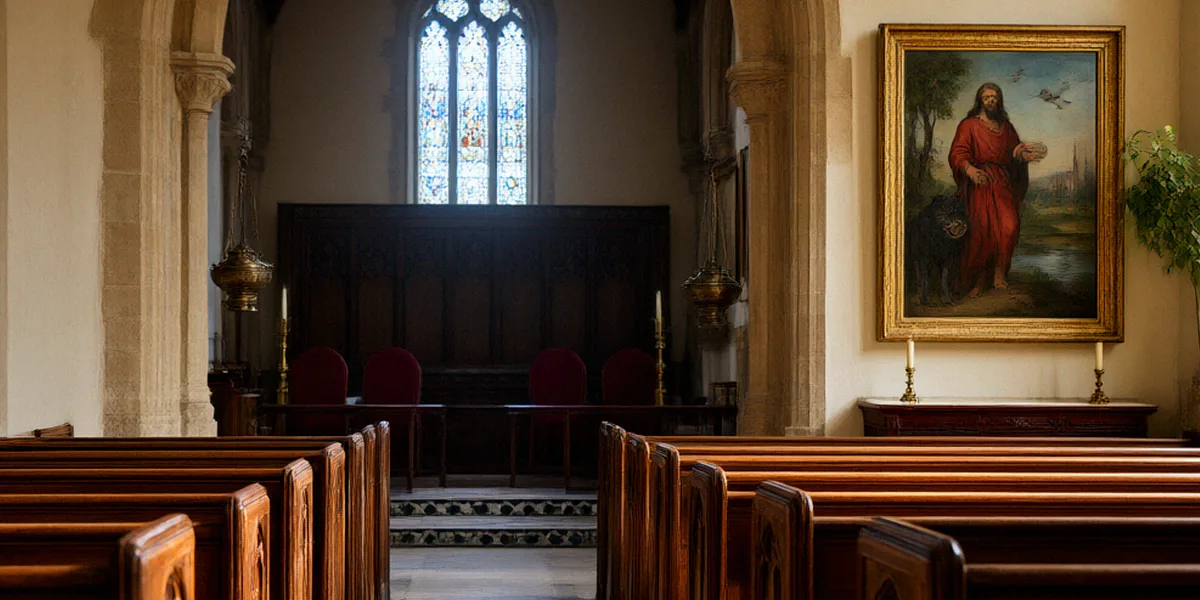
St Mary’s, Avington, sits beside the parkland of Avington House in the Itchen valley, just east of the Test Valley. From the outside it looks Georgian — brick, pediments, a bell turret — because the church was largely rebuilt in the 1760s for the Shelley family. Step inside, though, and the medieval bones are still there, along with a remarkable set of eighteenth-century fittings: box pews, a pulpit with a sounding board, and a chancel arranged more like a private chapel than a parish church. It is one of the most atmospheric small churches in Hampshire, and the light through the clear glass on a winter afternoon is extraordinary.
St Peter’s, Breamore: Anglo-Saxon wall paintings and royal connections
St Peter’s, Breamore, near Fordingbridge on the western edge of Hampshire, is one of the most important Anglo-Saxon churches in England. Its south doorway carries an Anglo-Saxon inscription, and the nave retains its original proportions. But the real draw is the wall painting over the north door: a rare surviving example of a medieval royal scene, often associated with the legend of King Canute and the waves. The church also has fragments of later medieval painting and a fine Elizabethan pulpit. Breamore is a short drive from the Test Valley and pairs beautifully with a walk along the Avon.
St Andrew’s, Mottisfont: stained glass and Tudor history
St Andrew’s at Mottisfont stands in the grounds of Mottisfont Abbey, and its history is tangled up with the Tudor court. The abbey was dissolved in 1536 and passed to Sir William Sandys, a favourite of Henry VIII. The church retains medieval work alongside later additions, and its stained glass includes fragments that repay close looking with binoculars. Because it sits within the National Trust estate, it is easy to combine with a visit to the abbey and its famous rose garden.
Medieval Wall Paintings: What to Look For
Wall paintings were the picture books of the medieval parish. They were painted over the whole interior — nave, chancel, even the pillars — and then largely covered with whitewash after the Reformation. In Hampshire, several CCT churches preserve enough to show what was lost elsewhere.
Doom paintings and their messages
The Doom is the most common subject to survive, usually painted over the chancel arch so that the congregation faced it during Mass. It shows Christ in judgement, with the saved ascending and the damned being dragged away. Look for figures, scales, and the occasional devil with a hook. Even where only faint outlines remain, the composition is recognisable once you know the pattern.
St Christopher and other saints
St Christopher was painted opposite the main door because he was the patron saint of travellers, and the belief was that anyone who saw his image that day would not die unexpectedly. You will also find St George, the Virgin and Child, and moralising scenes such as the Three Living and the Three Dead. In Hampshire churches, these often survive as ghostly outlines rather than full colour.
Conservation challenges and viewing tips
Medieval paintings are fragile. Light, moisture, insects and even breath can damage them. The CCT and its conservators work to stabilise rather than restore, which means you will often see a palimpsest of layers. Our tips:
- Bring a small torch but use it at an angle, never directly, to avoid glare.
- Binoculars are genuinely useful for high-up paintings.
- Do not touch the walls, and keep bags and coats away from surfaces.
- Ask the CCT or parish for a guide leaflet — many churches have one.
Stained Glass Treasures in CCT Churches
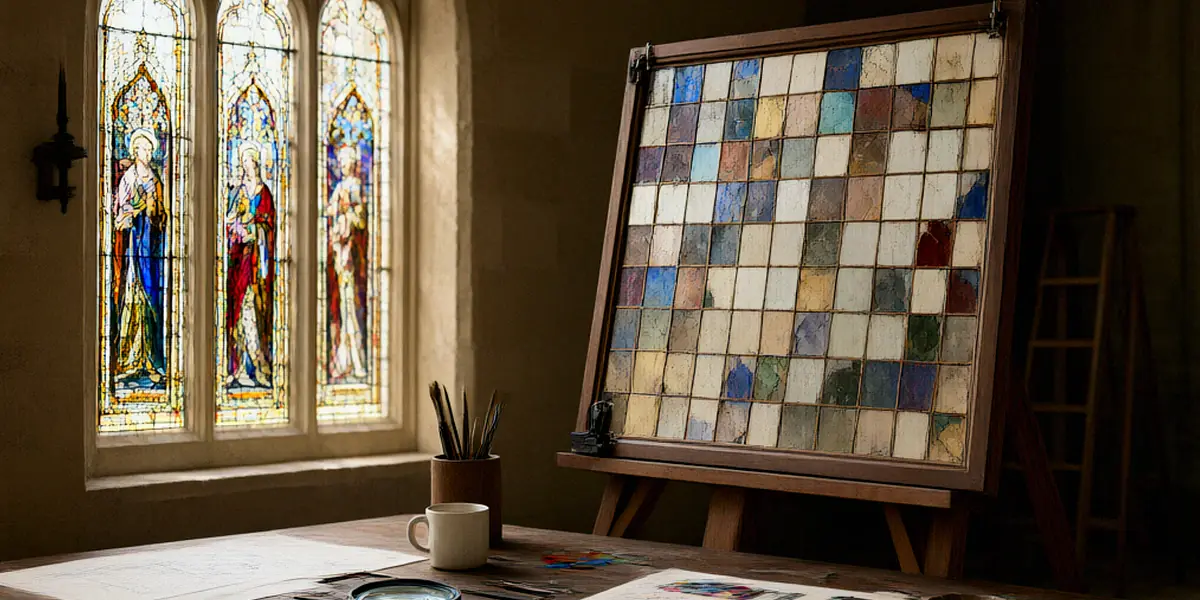
Hampshire’s CCT churches hold glass ranging from tiny medieval fragments to complete Victorian schemes. Both are worth your time, but for different reasons.
Medieval glass survivals
Most medieval glass was destroyed during the Reformation or by later iconoclasm. What survives is often reset into windows in a patchwork: a face, a hand, a piece of drapery, a fragment of an inscription. At St Peter’s, Breamore, and in several Test Valley churches, you can spot these fragments if you look carefully at the upper lights. They are usually the oldest thing in the building.
Victorian and later additions
The nineteenth century brought a boom in stained glass, and many Hampshire churches have windows by firms such as Clayton and Bell or Heaton, Butler and Bayne. These are often dismissed as sentimental, but the best of them are finely drawn and richly coloured, and they document the religious and social history of the parish. In CCT churches, Victorian glass is often the most complete scheme you will see.
Planning Your Visit: Practical Tips
CCT churches are free to enter, but they are not always open. A little planning makes all the difference.
Checking opening arrangements
Opening times vary widely. Some churches are open daily from dawn to dusk; others open only on weekends or by arrangement with a local keyholder. The Churches Conservation Trust website lists each church with current access details, and it is worth checking before you travel. If a church is locked, there is usually a notice with a contact number.
Combining with walks and other churches
Hampshire rewards slow travel. We like to build a day around two or three churches, a pub lunch and a footpath. The Test Valley Way and the Clarendon Way both pass near CCT sites, and the villages around Breamore and Mottisfont have good pubs within walking distance. If you are coming from Winchester or Salisbury, both make sensible bases.
Our Favourite Hidden Gems and Why They Matter
Beyond the well-known names, we keep coming back to the smaller CCT churches: the ones with a single room, a Norman font and a view over farmland. They are rarely busy. Their atmosphere — cool, quiet, slightly musty — is part of the experience. Architecturally, look for carved corbels, scratch dials by the door, medieval gravestones set into the floor, and timber roofs with visible smoke-blackened rafters. These details are the reason the CCT exists: not to freeze churches in time, but to keep them standing so that future generations can read them.
If you take one thing from this page, let it be this: these buildings are free to enter, but they are not free to keep. The Churches Conservation Trust relies on donations, memberships and legacies to fund repairs, conservation of wall paintings and glass, and everyday maintenance. Visiting is the first step; supporting the work is the next. Go soon, while the paintings are still visible and the glass still holds its colour.
FAQ
Are Churches Conservation Trust churches free to visit?
Yes. Entry is free at almost all CCT churches, including those in Hampshire. The Trust asks visitors to consider a donation, join as a member, or leave a gift in their will, because the cost of maintaining medieval fabric, wall paintings and stained glass is substantial.
Which CCT churches in Hampshire have medieval wall paintings?
St Peter’s, Breamore, is the standout, with its Anglo-Saxon fabric and medieval painting over the north door. Several other Hampshire CCT churches retain faint Doom paintings or saint figures, often over the chancel arch or beside the main door. Check the CCT website for the latest conservation information before visiting.
Can I visit St Mary’s, Avington, and St Peter’s, Breamore, in one day?
Yes. Avington and Breamore are roughly an hour apart by car, and both sit within reach of the Test Valley. We usually allow an hour at each church, plus time for a pub lunch and a short walk. Always check opening arrangements first, as neither is guaranteed to be open every day.
How do I find out if a CCT church is open?
The Churches Conservation Trust website lists every church it cares for, with access details, directions and local contacts. Parish noticeboards and local keyholders are the other main route in. If a church is locked, the notice will normally tell you who to call.
Why are these churches redundant in the first place?
Redundancy usually follows a fall in congregation size, the merging of parishes, or the cost of repairing a historic building that a small village cannot sustain. The CCT takes them on so that they are not demolished, sold for conversion, or left to decay, and keeps them open for visitors and occasional services.

Post Comment